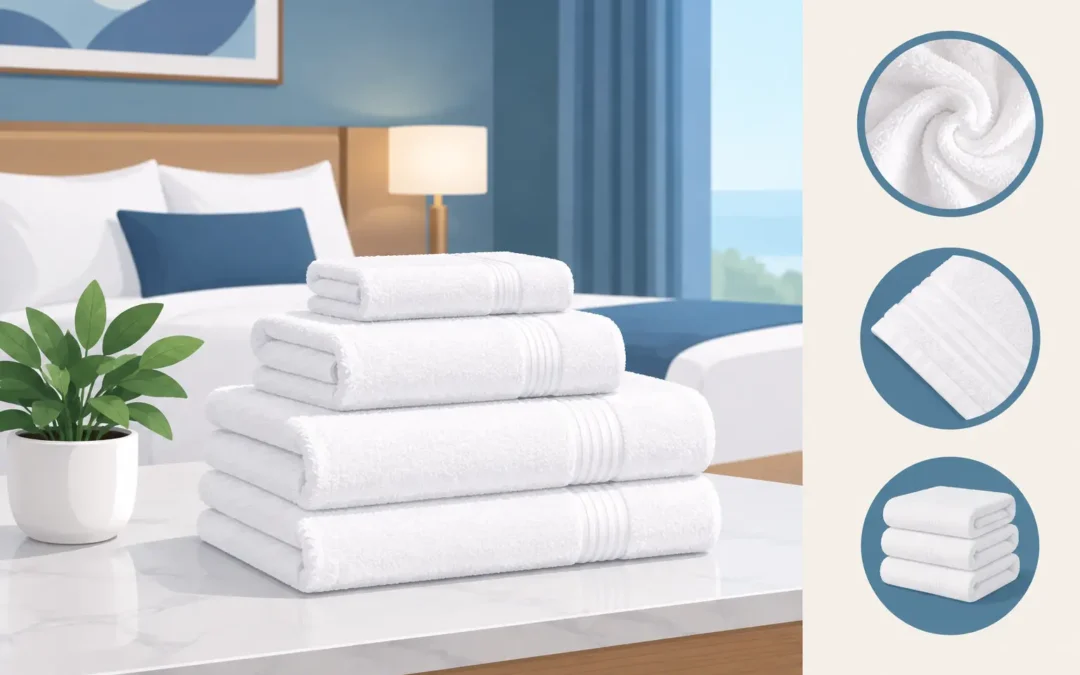
A guest may not comment on a towel when it performs well, but they notice immediately when it feels thin, rough, undersized, or worn out. A hotel towel upgrade is therefore more than a cosmetic purchase. It affects room presentation, guest comfort, laundry costs, replacement cycles, and the consistency of your property’s standards.
For hotel operators, the right towel is not always the softest or heaviest option in a catalog. It is the towel that fits the property, survives the wash process, dries within the available laundry schedule, and continues to look professional after repeated use. A roadside motel, boutique inn, resort spa, and extended-stay property can all make a smart upgrade, but they should not necessarily buy the same towel.
Start a Hotel Towel Upgrade With the Right Goal
Before comparing towel weights or colors, define what needs improvement. If guests describe towels as scratchy, the issue may be fiber quality, aggressive wash chemistry, or towels that have simply reached the end of their service life. If housekeeping struggles to keep rooms stocked, the problem may be insufficient par levels or slow-drying towels that back up the laundry operation. If rooms look dated, a brighter white towel or a fuller bath towel may make a visible difference without changing the entire room package.
A practical upgrade begins with the application. Guest-room bath towels need dependable absorbency and an attractive hand. Pool towels need a different balance: they are often larger, exposed to sunscreen and outdoor conditions, and more likely to disappear. Spa towels and robes usually call for a more premium feel, while fitness facilities may prioritize quick turnover and durability over a plush presentation.
Set the standard you want guests to experience, then work backward to the towel construction and price range that can support it. Buying above your operating need can raise laundry time, energy use, and replacement cost. Buying below it can create complaints and make rooms feel less cared for.
Weight Matters, but It Is Not the Whole Story
Towel weight is commonly expressed in GSM, or grams per square meter. Higher GSM generally means a denser, fuller towel, but a higher number does not automatically mean a better operational choice.
Value and institutional towels often fall into a lighter range. They can be a sensible choice for high-volume properties, seasonal lodging, staff use, gyms, clinics, and locations with limited drying capacity. A lighter towel typically dries faster and costs less to replace, though it may not deliver the substantial feel expected at an upscale property.
Midweight towels are often the working standard for hotels and bed-and-breakfasts. They provide a noticeable step up in absorbency and comfort while remaining practical for commercial laundering. For many operators, this category offers the best balance between guest satisfaction and total cost of ownership.
Heavier luxury towels create a fuller, more indulgent experience. They are well suited to premium suites, destination properties, spas, and hospitality settings where the bath experience is part of the brand promise. The trade-off is real: heavier towels require more drying time, can occupy more storage space, and may need closer control of laundry procedures to preserve their appearance.
Look Beyond GSM at Construction and Fiber
A towel’s performance comes from more than its listed weight. Cotton remains a dependable choice for hospitality because it is absorbent, familiar to guests, and able to handle repeated washing when properly constructed. Ring-spun cotton can provide a smoother, softer feel than more basic open-end yarns. Premium cotton programs may offer a more refined hand and stronger visual appeal, especially when kept bright and properly finished.
Loop construction also affects performance. Dense, even loops support absorbency and help a towel maintain a consistent appearance. Poorly formed loops can snag, pull, and make a towel look worn quickly. Double-stitched hems and reinforced edges are small details that matter in commercial use, where towels are sorted, washed, dried, folded, and handled many times each week.
First-quality merchandise is especially important when purchasing for a property. Towels that begin with inconsistent sizing, weaving, or finishing can create avoidable problems in the linen room. A first-quality towel gives you a more reliable baseline for matching sets, predictable presentation, and ongoing replenishment.
Choose Sizes Guests Can Use Comfortably
A towel upgrade can fall flat if the bath towel is too small for the guest experience you are trying to provide. Standard bath towels work well in many hotel rooms, particularly when paired with a generous supply of hand towels and washcloths. Larger bath sheets provide more coverage and a premium impression, but they require additional storage and processing capacity.
Do not overlook the supporting pieces. A coordinated towel package generally includes bath towels, hand towels, washcloths, and bath mats. A clean, absorbent bath mat helps protect guests on wet floors and completes the room presentation. In higher-end rooms, consistent size and color across every piece reinforces the sense that the property pays attention to details.
Match Towel Quality to Your Laundry Operation
The laundry room determines whether an upgrade stays an upgrade. A thick, white towel may look excellent when new, but hard water, excess bleach, high dryer temperatures, and overloaded machines can shorten its useful life. Towels become rough when fibers are damaged or coated with detergent residue. They can turn gray or yellow when sorting and wash formulas are not controlled.
Review your current process before committing to a new towel program. Consider machine capacity, dryer capacity, water conditions, wash temperature, chemical use, and whether laundry is processed on-site or by an outside service. If your operation already struggles with drying time, moving to a much heavier towel may not be the best answer. A better-quality midweight towel may produce a more dependable result.
Keep towel loads separate from linens that produce lint, have heavy soil, or use different wash chemistry. Avoid fabric softener when possible, since it can coat cotton fibers and reduce absorbency. Use bleach carefully and according to the towel manufacturer’s guidance. Proper sorting, measured chemicals, and prompt removal from the dryer can do as much for towel feel as choosing a higher GSM product.
Calculate Replacement Cost, Not Just Case Price
The lowest case price is not always the lowest-cost purchase. A towel that costs less but loses its appearance after a short period can cost more through frequent replacement, housekeeping time, guest complaints, and inconsistent room standards. On the other hand, an expensive luxury towel may be difficult to justify in a property where theft, heavy staining, or rapid turnover is common.
Compare options based on expected service life and use. Ask how many wash cycles the towel is likely to handle under your conditions, how well it holds its hem and color, and whether the supplier can support repeat orders of the same product line. Consistency matters when you need to replace a portion of inventory without creating a mixed, uneven look in guest rooms.
Par levels should be part of the calculation. Most properties need enough towel inventory to cover rooms in use, laundry in process, clean backup stock, and unexpected demand. The right amount depends on turnover, housekeeping schedule, and whether laundry is handled daily. A quality towel program cannot perform well if the property is constantly running short and putting partially worn inventory back into service.
Use a Controlled Rollout Before Replacing Everything
When changing towel programs, test before placing a full-property order. Put sample towels into normal service for several weeks. Have housekeeping evaluate folding, linting, stain release, and drying time. Ask managers to inspect the towels after repeated laundering, not just on delivery day. If appropriate, gather feedback from a small group of regular guests.
A controlled trial also helps identify the right mix. You may decide that standard rooms need a durable midweight bath towel while premium rooms receive a heavier luxury option. Pool areas may need separate, clearly marked towels to prevent loss from guest-room inventory. This approach protects the budget while giving each part of the property a towel suited to its use.
United Textile Supply offers first-quality towel options across value, institutional, and luxury tiers, allowing buyers to select by application instead of paying for features they do not need.
A good towel should earn its place in the linen room every day. Choose one that fits your guest promise, your wash process, and your replacement budget, then give it the handling it needs to stay soft, absorbent, and presentable long after the first use.