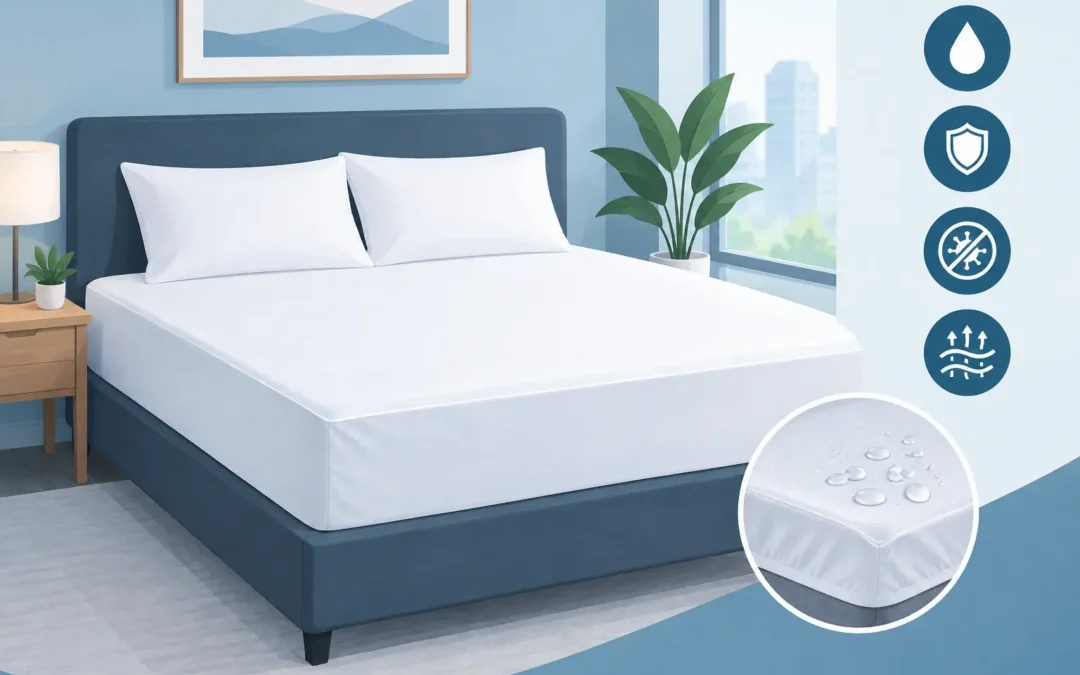
A stained or moisture-damaged mattress is an expensive operational problem, not a minor housekeeping issue. This commercial mattress protector guide is built for buyers who need to extend mattress life, support cleaner beds, and keep replacement costs under control across guest rooms, treatment rooms, dormitories, and care facilities.
A protector is not a substitute for proper mattress cleaning or linen-changing procedures. It is the working layer between the fitted sheet and the mattress that helps prevent everyday moisture, body oils, spills, and debris from reaching the mattress surface. The right choice depends on who uses the bed, how often it is turned, how the item will be laundered, and how much protection the setting actually requires.
Start With the Bed’s Real Operating Conditions
Commercial mattress protectors are often purchased as a basic bedding accessory, then expected to perform in very different environments. A limited-service hotel, a long-term care facility, and a college residence hall may all use twin or queen mattresses, but their exposure, laundry routines, and guest expectations are not the same.
For hospitality, the main goal is usually preserving mattress condition while keeping the sleep surface comfortable and quiet. A protector should fit neatly under the fitted sheet, tolerate frequent washing, and avoid the plastic feel that can affect a guest’s impression of the bed.
Health care, residential care, and some personal care applications may require a higher level of fluid resistance. Here, coverage, barrier performance, and the ability to disinfect or hot-wash the protector according to facility procedure can matter more than a soft hand feel. Facilities should confirm that the product fits their internal infection-control requirements rather than assuming any waterproof protector is suitable.
Schools, camps, employee housing, and rental properties often place the strongest emphasis on durability, fit consistency, and replacement cost. These operations benefit from a standardized protector program: the same size, construction, and care method for each matching mattress type. Standardization reduces sorting errors in the laundry and makes reordering easier.
Commercial Mattress Protector Guide: Choose the Construction
The word “protector” covers several product types. Understanding the construction prevents overbuying for a low-risk room or underbuying where moisture exposure is common.
Fitted mattress protectors
A fitted protector has elasticized corners or a full fitted skirt that wraps around the mattress much like a fitted sheet. It is generally the best choice for hotels, motels, bed-and-breakfasts, and residential settings because it stays in place through normal bed use. Look at the stated pocket depth before ordering. A protector that fits a 12-inch mattress may pull loose on a 14-inch pillow-top model, even when both are called queen size.
Fitted styles can be absorbent, water-resistant, or waterproof depending on the fabric and backing. They are a practical everyday option when housekeeping needs quick bed-making and a clean, uniform presentation.
Encasement protectors
An encasement covers the full mattress and closes with a zipper. This design provides the most complete coverage because it protects the top, sides, and underside of the mattress. It is often selected for longer-term protection, mattress storage, pest-management programs, and environments where the mattress needs coverage beyond the sleep surface.
The trade-off is labor. Encased protectors take longer to install and remove, especially on heavy mattresses or bunk beds. Many operations use an encasement as the long-term base layer, then place a fitted protector over it for routine laundering. That approach costs more upfront but can reduce mattress exposure over its full service life.
Waterproof and water-resistant layers
Water-resistant fabrics slow minor moisture penetration but may not stop a significant spill. Waterproof protectors use a barrier layer designed to block liquid from reaching the mattress. For care settings, children’s programs, or rooms with a known risk of accidents, waterproof protection is usually the more sensible choice.
Barrier material affects both performance and comfort. Vinyl-backed products can provide strong fluid protection, but they may feel warmer, make noise, or become less flexible over time. Modern membrane-backed styles can be quieter and more breathable, although their washing instructions must be followed carefully to protect the barrier. The lowest initial price is not always the lowest operating cost if the protector cracks, delaminates, or loses fit after repeated processing.
Quilted mattress pads versus protectors
A quilted mattress pad adds a layer of cushioning and can improve the feel of a firm mattress. Some pads provide light protection, but they should not automatically be treated as waterproof mattress protectors. If the priority is guest comfort, a pad may be appropriate. If the priority is guarding against fluid damage, specify a protector with a stated barrier feature.
In many lodging operations, the practical setup is a mattress protector for protection and a separate pad only where added loft or comfort is needed. This keeps each product doing the job it was designed to do.
Check Fabric, Weight, and Laundering Requirements
Commercial bedding earns its value in the laundry room. Before purchasing, compare the protector’s fabric content, care label, and recommended washing conditions with your actual laundry process.
Cotton-rich top fabrics offer a familiar, absorbent feel and may be preferred for guest comfort. Polyester blends typically dry faster and can provide good durability in high-turn settings. Terry-surface protectors add absorbency, while smooth knit surfaces can make bed-making easier and may create less bulk beneath the fitted sheet.
A heavier product is not always better. Added weight can mean more absorbency or cushioning, but it also increases drying time and laundry volume. For a high-volume property with standard guest use, a lighter commercial-grade protector that washes and dries efficiently may deliver better value than a thick padded style. For long-stay care or premium accommodations, the extra comfort of a heavier construction may justify the additional processing cost.
Ask these practical questions before standardizing a product: Can it be machine washed at the temperatures your operation uses? Can it be tumble dried without damaging the backing? Are bleach or fabric softener restrictions realistic for your laundry team? Does the manufacturer limit the number of wash cycles? A protector that conflicts with established laundry practices will create avoidable losses.
Get Size and Fit Right Before Ordering
Mattress size names alone are not enough. Measure the mattress length, width, and depth, including any permanent pillow top. Then compare those measurements with the product specifications. This is especially important in hospitals, dormitories, and older properties where mattress dimensions may vary from room to room.
A protector that is too small pulls at the corners and wears out prematurely. One that is too large can bunch under the sheet, creating an untidy bed and an uncomfortable sleep surface. For encasements, confirm zipper placement and whether the listed dimensions allow enough room to install the cover without straining the seams.
For multi-property buyers, create a simple mattress inventory by location: size, depth, quantity, and intended protector type. This small step makes purchasing more accurate and helps prevent a mixed stockroom of nearly correct items.
Buy for Replacement Cycles, Not Just Opening Price
A commercial protector should be evaluated as part of a linen program. Consider the purchase price, expected wash life, labor required to change it, drying time, and the cost of a mattress replacement if protection fails. A first-quality product with reliable sizing and repeatable construction is easier to manage than a low-cost item with inconsistent fit or short service life.
Par levels matter as well. A property that changes protectors only when soiled needs enough clean inventory to cover active beds, laundry turnaround, and a reasonable reserve. Care facilities may need a deeper backup supply because of higher change frequency. Ordering a few individual pieces at a time can create size mismatches and inconsistent performance across rooms.
United Textile Supply can help buyers match commercial bedding choices to the application, whether the priority is economical turnover, moisture protection, or a more comfortable guest bed. The best purchase is the one that fits the mattress correctly, works with the laundry process, and holds up to the way your facility actually operates.
When a protector is selected with those conditions in mind, it becomes quiet insurance for one of the most expensive pieces of furniture in every room.